
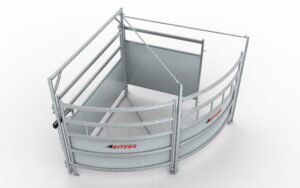
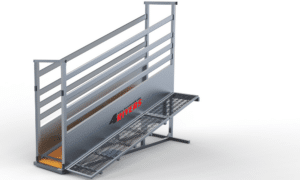
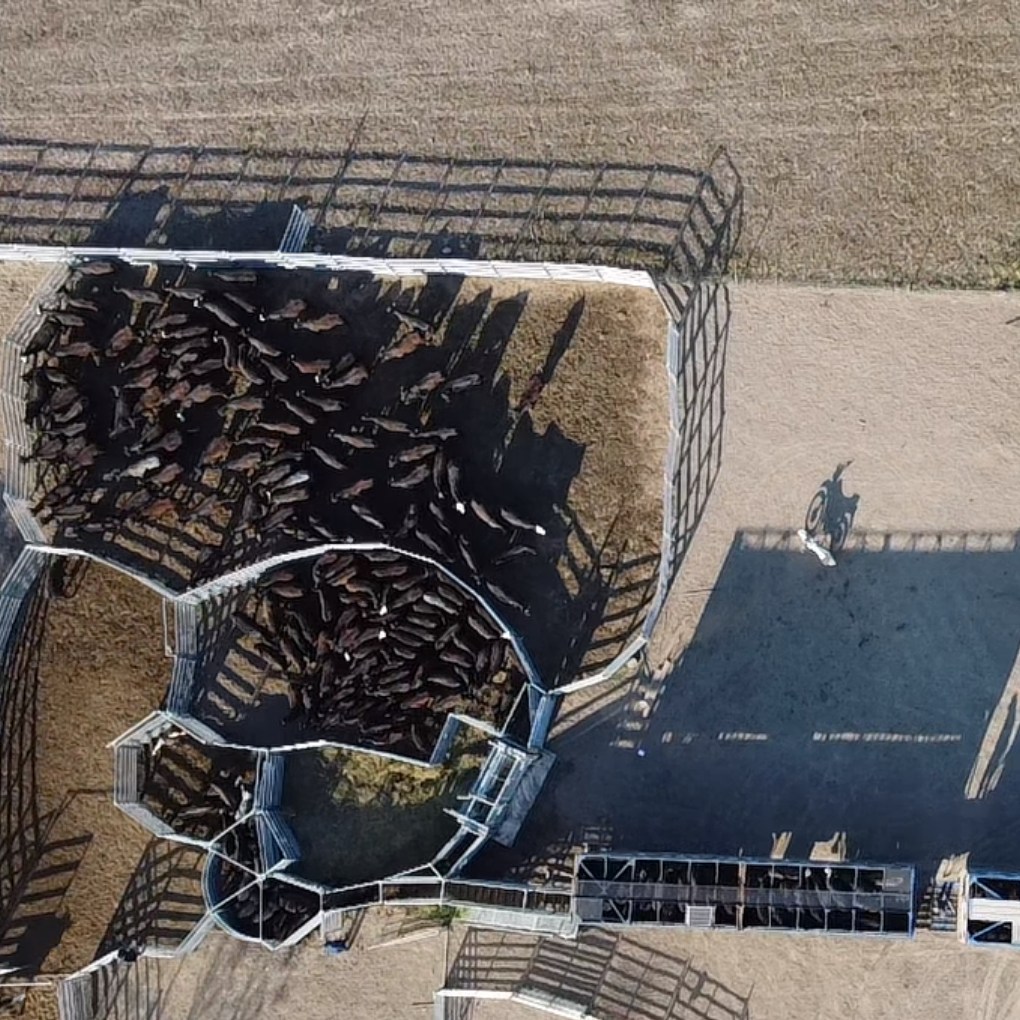
A good cattle corral isn’t just a collection of panels and gates, it’s a system that should make working cattle safer, faster, and less stressful every time you use it.
Whether you’re building your first working facility or upgrading an existing setup, taking time to plan the layout before purchasing equipment can save years of frustration. Every ranch is different, but there are several key design decisions that make a big difference in how well your corral works.
Here are the biggest things to think about when designing a cattle corral.
Start With Your Herd Size
The first question isn’t what chute to buy, it’s how many cattle you’re working.
A setup for 20 head looks very different than one designed for 300 cows.
Think about:
- Average number of cattle worked at one time
- Future herd growth
- Calving versus stocker operations
- Frequency of handling cattle
Building slightly larger than your current needs often saves money in the long run
Ask yourself how many head you’ll typically work at one time, whether you’re handling cow-calf pairs, feeder cattle, or bulls, and how often you’ll be running cattle through the system. A setup that works well for a small hobby farm may quickly become frustrating if your herd doubles in size.
It’s also worth considering future expansion. Adding a few extra panels or designing your layout so additional pens can be connected later is much easier than rebuilding an entire facility. A well-planned corral should grow with your operation instead of limiting it.
Think About Cattle Flow
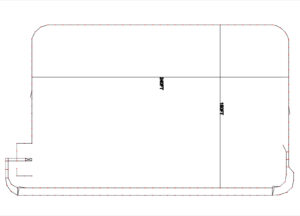
A good cattle handling system doesn’t force cattle where they don’t want to go, it encourages them to move where they’re already inclined to travel. Cattle naturally follow one another, prefer moving toward open spaces, and are more comfortable with gradual curves than sharp corners. When a layout works with those instincts, cattle move more calmly and handlers spend less time fighting the herd.
Dead ends, sudden turns, poorly placed gates, and narrow bottlenecks often create unnecessary stress for both cattle and the people working them. Even small adjustments to your layout can improve cattle flow and make routine jobs like vaccinations, pregnancy checks, or loading trailers much more efficient.
Thinking about cattle behavior before building your corral often saves far more time than simply adding more equipment later.
Plan Your Working Alley
The alley controls nearly every movement leading into your squeeze chute.
Ask yourself:
- Is it wide enough?
- Is it too wide?
- Will cattle hesitate?
- Can one person safely work the alley?
- Is there enough room to sort cattle?
A properly designed alley reduces stress on both cattle and handlers. You also usually want this section to be the heavier duty panel due to this are being the most commonly used and abused area.
Don’t Forget Sorting Areas
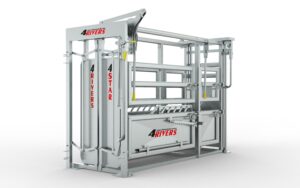
The squeeze chute is usually the centerpiece of a cattle handling facility, but it shouldn’t be the only part that gets careful planning. Every gate, alley, sorting pen, and holding area affects how efficiently cattle move through the system. If one section creates a bottleneck, it can slow down the entire operation.
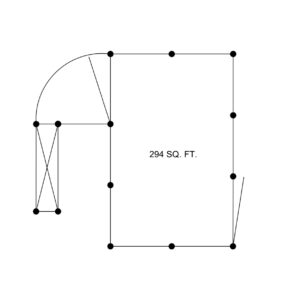
Instead of purchasing equipment one piece at a time, think about how every component connects together. The holding pens should naturally guide cattle toward the crowding area. The crowding area should feed smoothly into the alley, and the alley should lead cattle confidently into the chute without hesitation.
When every piece works together, you’ll spend less time chasing cattle, opening unnecessary gates, and correcting problems during processing days.
Pay attention to small things like gates, Not every gate belongs everywhere.
Different areas may need:
- Swing gates
- Slide gates
- Crowd gates
- Load-out gates
- Walk-through gates
Think About Safety
Safety isn’t just about preventing injuries after the corral is built, it’s something that should influence every design decision from the beginning. A well-designed facility protects both livestock and handlers by reducing opportunities for cattle to become stressed, crowded, or unpredictable.
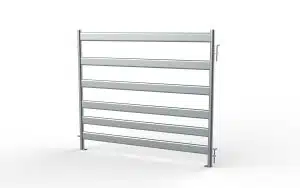
Look for heavy-duty construction, smooth edges, and durable galvanized steel that will stand up to years of use. Features like oval rails can help reduce bruising, while properly placed walk-through gates and escape routes give handlers safer options when working close to livestock.
Good design also means thinking about visibility. Cattle move more confidently when they can clearly see where they’re going, and handlers can work more efficiently when gates and alleys are positioned with safety in mind.
Choose Equipment That Can Grow With You
No two ranches stay the same forever. Herd sizes change, management practices evolve, and many producers eventually decide to expand their handling facilities. Designing with future growth in mind can save significant time and money down the road.
Choosing panels, gates, and corrals that are designed to connect easily allows you to add working pens, extend alleys, or create additional sorting areas without starting over. Investing in a flexible system today means your facility can continue meeting your needs as your operation grows.
Buy the Right Equipment the First Time
Price matters but durability matters more.
Consider:
- 14 gauge vs. 16 gauge steel
- Oval rail
- Weld quality
- Galvanized finish
- Ease of connecting panels
- one person operation
- Long-term serviceability
The cheapest equipment often becomes the most expensive after years of repairs.
Conclusion
Every ranch is different, which means there isn’t a one-size-fits-all cattle corral design. The best facilities are built around the way cattle naturally move, the number of cattle being worked, and the long-term goals of the operation.
When your gates, panels, alleys, and squeeze chute are planned as one complete system, working cattle becomes safer, faster, and less stressful for everyone involved.
At 4 Rivers Ranch Equipment, that’s exactly how we help ranchers design handling systems. Whether you’re working a small hobby herd or a large commercial operation, we’re happy to help you build a setup that fits your ranch today and can grow with you tomorrow.
